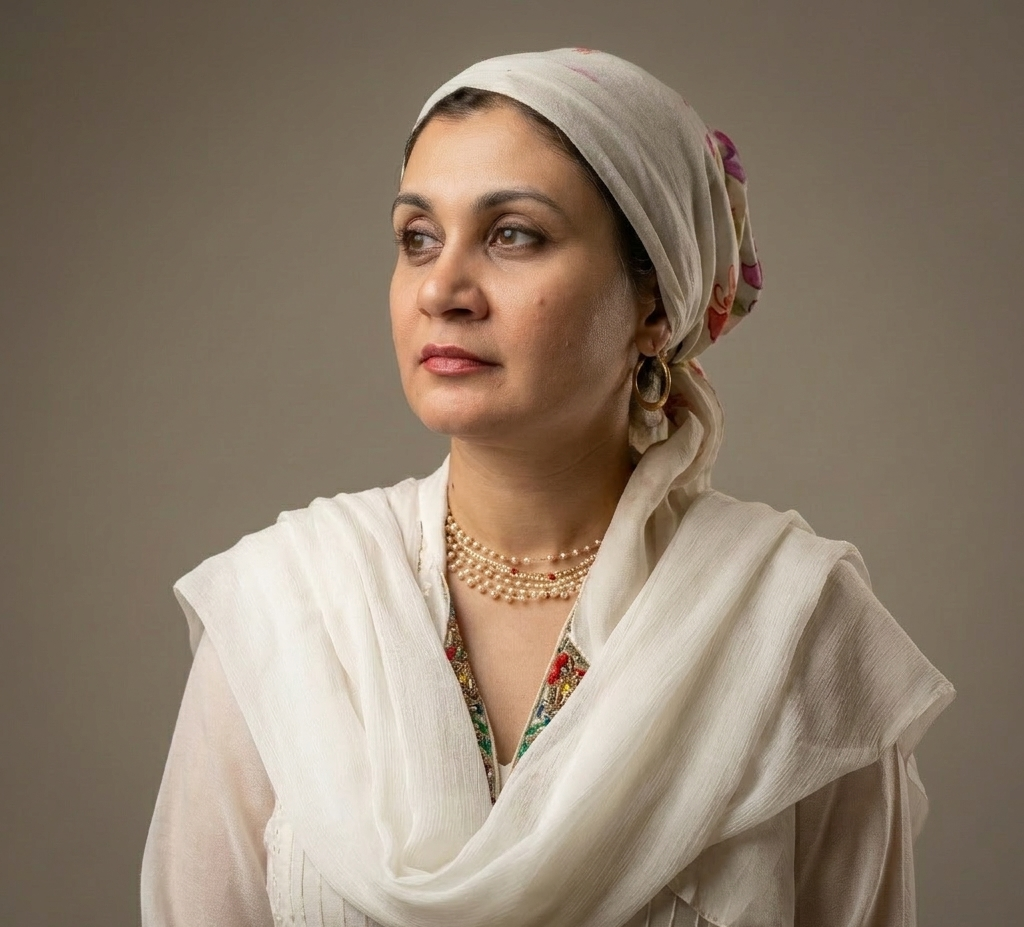
Dr. Humaira’s work began where policy debates usually do not. It began with women writing from villages, prisoners sending pleas, and families trapped between police indifference and social retaliation.
From 2000 to 2004, she served as Editor, Women Issues at Daily Khabrain and as Khabrain Helpline In-charge, combining journalism with direct intervention. She verified complaints, helped victims file FIRs, kept cases alive through persistent reporting, and applied media pressure so authorities could not bury them. She also helped arrange shelter, moral support, and medical connections through NGOs and Zakat funds, and followed cases through long judicial processes.
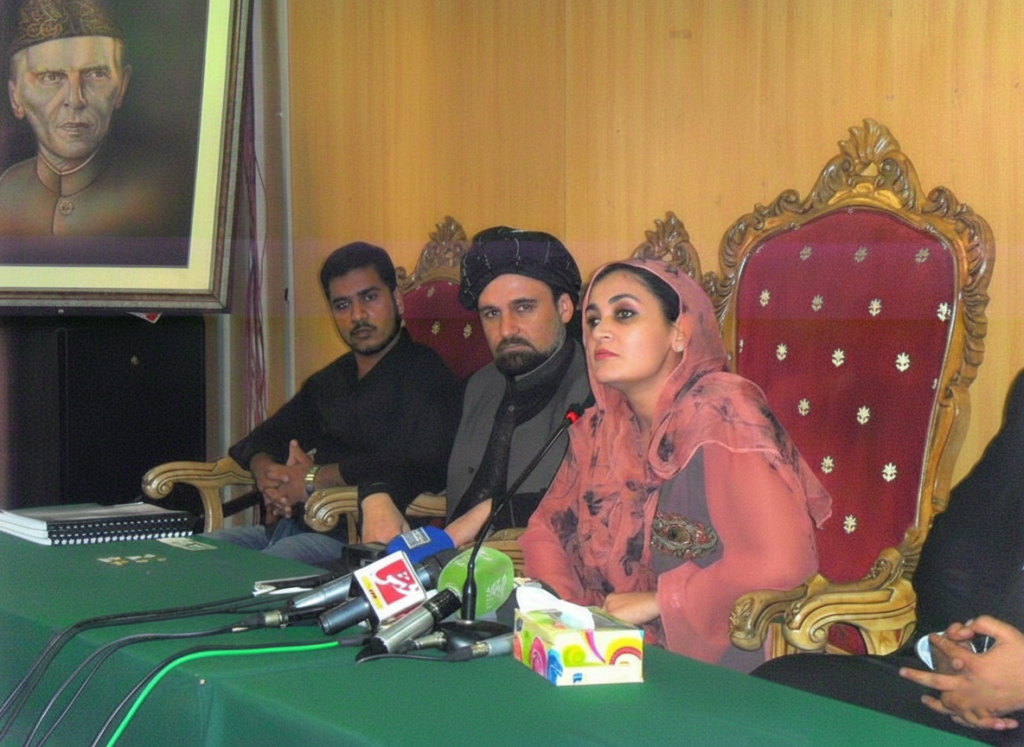
She framed the crisis as a denial of Islam’s guarantees, and she took that argument into the Punjab Assembly itself. In 2011, she passed a landmark resolution calling for the implementation of rights granted to women under Islam: the right to Khula without requiring external proof or justification, fixed inheritance, and independent control over one’s assets and property. The resolution was opposed by religious political leaders and feudal politicians, but it passed by vote on January 18, 2011.
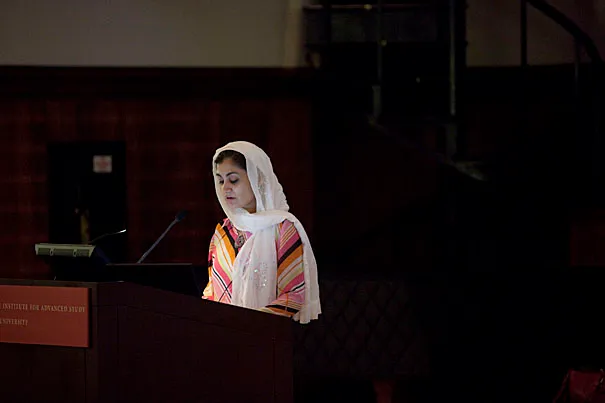
Her advocacy later entered US policy space through the International Violence Against Women Act (IVAWA). She participated in its public reintroduction and spoke in support of the bill in Washington settings, with video documentation from the period. She also testified before the Tom Lantos Human Rights Commission in the US House of Representatives, placing frontline realities into a formal human rights record. Harvard coverage reinforced the credibility of this work by highlighting violence committed “by custom” and the need to distinguish Islam from coercive tribal practice.
Her advocacy did not stay confined to government. She delivered lectures on “Extremism, Islam and Women” at major institutions, including MIT, Harvard Kennedy School (JFK Forum and Activists Studio), and The Fletcher School at Tufts University, framing women not as a “sector,” but as a strategic force in resisting coercive ideologies and restoring social justice.
This is the through-line that makes her contribution distinct: she moves from rescue, to law, to research, to floor claim. Islam is not the problem. The problem is power, custom, and the weaponization of religion to strip women of what Islam already gave them.